Active holidays
Mushroom picking in Borne Sulinowo: where to look, what to pick and when the season starts
Where to pick mushrooms near Borne Sulinowo? Which species grow in the local forests, when the season starts and how to forage safely in Poland.
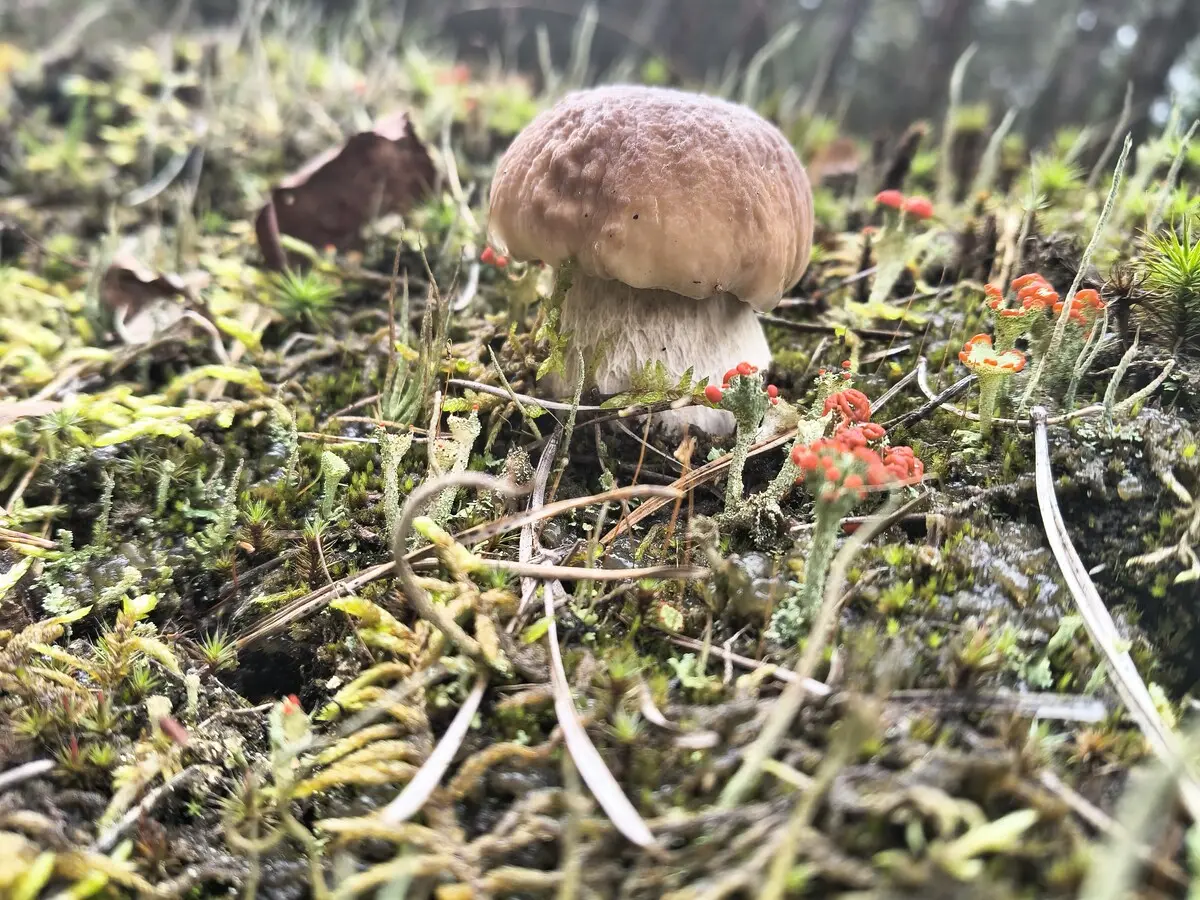
The forests around Borne Sulinowo are a wonderful place for anyone who loves spending time outdoors. You can combine a walk through the pine forest with a mushroom hunt, breathe fresh air and spend a few hours far from the noise of the city. And if the weather and the season are on your side, you might even come home with a full basket.
Mushroom season in Western Pomerania is at its most interesting in late summer and autumn. But success depends on more than the month: rainfall, temperature, the type of forest and how long it's been since the last rain all matter.
In this guide to mushroom picking in Borne Sulinowo, we cover which mushrooms you can look for in the local forests, when it's best to head into the forest, how to prepare for your first foraging trip and which rules to follow to pick mushrooms safely.
Why go mushroom picking near Borne Sulinowo?
One of the region's biggest advantages is its large forests. Pine dominates, but you'll also find birch, beech and other broadleaf trees. Different types of forest suit different species of mushroom.
According to the local mushroom-sighting database MykoRadar, more than a hundred species of fungi have been recorded in the Borne Sulinowo municipality. Most sightings fall in August and September. These are user-submitted records, though, not a guarantee that there will be plenty of mushrooms on any given day.
A mushroom walk suits both experienced foragers who know the local forests well and those trying it for the first time. There's no need to hurry: explore the forest paths and enjoy the walk itself, even if your basket doesn't fill up.
Which mushrooms can you find around Borne Sulinowo?
There are several common species worth looking out for in the local forests. What you actually find depends on the weather, the soil, the nearby trees and the time of year.
Porcini
The porcini (Boletus edulis), also known as the penny bun, is one of the most sought-after mushrooms. Look for it in forests with pines and broadleaf trees, especially beech and birch.
Porcini are usually associated with late summer and autumn, but when they appear depends on temperature and moisture. After a dry spell, even a good spot may turn up nothing.
Birch boletes
Birch boletes (Leccinum and related species) are best looked for where birches grow. In the Borne Sulinowo municipality, birch stands make up a smaller share of the forests than pine, but they're still part of the local landscape.
For beginners, it's important to learn to identify the specific species rather than rely on a general name or the colour of the mushroom.
Slippery jacks
Slippery jacks are typical of pine forests. Look for them on sandy soil among the pines, especially when moisture returns after warm weather.
Species recorded in the region include the slippery jack (Suillus luteus) and related species. A resemblance isn't enough for identification: before eating any mushroom, you must be sure of its exact species.
Chanterelles
The golden chanterelle (Cantharellus cibarius) is a popular edible mushroom found in coniferous and mixed forests. Look for it among moss, in the leaf litter and near trees.
Chanterelles can appear in summer and keep turning up in autumn if conditions stay favourable. Don't pick a mushroom just because it's yellow: there are look-alikes that are easy to confuse without experience.
Russulas and other gilled mushrooms
Local records also include russulas (Russula) and other gilled mushrooms. They can be plentiful, but for beginners this group calls for extra caution: you can't judge whether one is edible by the colour of its cap.
If you're not confident about a particular species, leave it in the forest.
Where to look for mushrooms near Borne Sulinowo
There's no reliable way to name one patch of forest where mushrooms grow best every year. Even a well-known spot can be empty after a drought, while another forest a few kilometres away has better conditions.
The forests around Lake Pile
Lake Pile and its surroundings are a well-known natural area near the town. In the Liszkowo forest range (leśnictwo) near the lake, an organised mushroom-picking event took place in October 2026 (in Polish).
That makes it an appealing place to look for mushrooms near Lake Pile on an autumn walk — but it doesn't mean the area will always have the most mushrooms. Before you go, check for any temporary bans on entering the forest and follow posted restrictions.
The region's pine forests
Since pine is the dominant tree in the local forests, pine stands are a good place to start. Keep an eye out for slippery jacks and other species associated with conifers.
Look not just at the trees but at the ground, too. After rain, check the moss, the leaf litter and moderately damp areas. Don't expect the same results in a dry pine forest as in a damper mixed one.
Mixed forests with birch and beech
In mixed woodland you can look for porcini, birch boletes and other species associated with broadleaf trees. It's a good option for variety, especially if you're planning a longer walk.
There's no need to go deep into the forest just to keep searching. For a first trip, choose a familiar route, note landmarks as you go and get back to your car or accommodation before dark.
When does mushroom season start?
According to local records, the busiest period around Borne Sulinowo is August and September. But mushrooms can appear earlier or still be around in October — it all depends on the weather.
Spring. Which species appear depends on the spot and the temperature. It's not the main season for most of the popular forest mushrooms people look for in autumn.
Summer. With enough rain, some species appear as early as summer. After long heat waves and drought, there can be noticeably fewer mushrooms.
Late summer and autumn. The most promising period for many foragers in the region. It's especially worth watching the weather in August, September and October.
Late autumn and winter. Familiar edible mushrooms usually become scarcer, though some species can still be found in the colder months.
How to tell whether it's worth going today
Before setting off, check the rainfall and temperatures over the past few days, as well as local foragers' reports. Online maps and forecasts can help you judge conditions, but they can't show you guaranteed spots.
You don't need to rush to the forest right after rain: different species need time to produce fruiting bodies. On the other hand, heavy rain, wind or a sudden cold snap can make the walk less pleasant.
What foragers say — and what to expect
Local records show that many mushroom species have been reported in the Borne Sulinowo municipality, with most reports in August and September. However, the number of online records doesn't reflect how many mushrooms are actually in the forest: it depends on how active users are and which finds they choose to share.
So don't treat mushroom observation maps as a promise of a full basket. They're more useful as an extra source of information, alongside the weather forecast and your own observations.
If you're a beginner, plan your first trip as a walk with the chance of picking a few mushrooms you know, not as a competition for the biggest haul. Experienced foragers know it too: one good day doesn't guarantee the same result next time.
Rules for picking mushrooms in Poland
Mushroom foraging in Poland is free for personal use in many state forests, but there are important exceptions.
Don't pick mushrooms:
- in national parks and nature reserves where picking is banned or restricted;
- in areas closed to the public, including military zones;
- in young forest plantations up to 4 metres tall and other areas closed to visitors;
- where forestry work is under way or temporary restrictions are in place.
Before you go, check the Borne Sulinowo Forest District information and the Polish State Forests' mushroom-picking tips (both in Polish).
Only pick mushrooms you can identify with certainty. Leave very young, old or damaged specimens. If in doubt, leave it in the forest. Never taste raw mushrooms to test them, and don't rely on folk methods for spotting poisonous ones.
If you're unsure about the mushrooms you've collected, check whether your local Sanepid office offers mushroom identification advice, or consult a qualified mushroom expert. Foresters don't necessarily offer advice on whether mushrooms are edible.
How to prepare for a mushroom walk
Even if you're only planning an hour or two in the forest, it's worth preparing in advance.
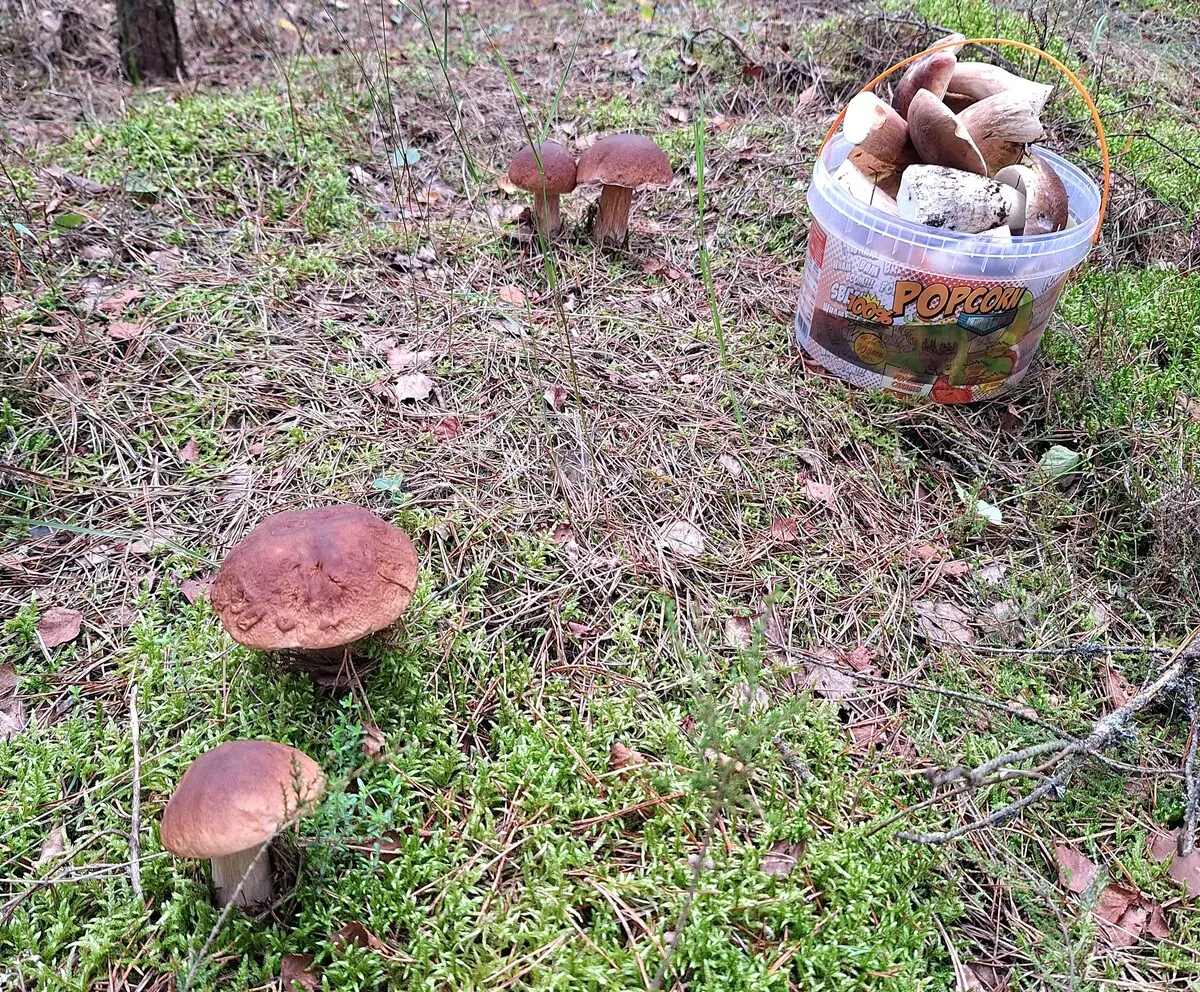
- Bring a basket, not a sealed plastic bag — mushrooms get less squashed on the way.
- Wear closed shoes and clothing that protects you from ticks, damp and scratches.
- Charge your phone and download an offline map. Don't rely on mobile coverage alone.
- Tell someone your route, especially if you're heading far from town.
- Bring water, a light snack and a rain jacket.
- Plan to be back before dark. In an unfamiliar forest it's easy to lose track of time and direction.
When you get home, sort through your mushrooms as soon as possible. Don't leave them for long in a warm car or a sealed bag. If any specimens aren't confidently identified, keep them separate from the ones you know for sure.
A mushroom-picking break with an overnight stay in Borne Sulinowo
Mushroom picking doesn't have to be a quick trip of a few hours. If you're spending a weekend in Borne Sulinowo, you can give the morning to the forest and spend the rest of the day on walks by Lake Pile, exploring the town or simply relaxing.
For a trip like this, it helps to have a place where you can rest after your walk, dry your clothes and prepare your mushrooms for storage.
If you're planning to spend a few days in the region, take a look at Slow Life Apartment — a place to stay in Borne Sulinowo for a calm break surrounded by nature. Discover Slow Life Apartment or view it on Airbnb.
Mushroom picking in Borne Sulinowo: more than a full basket
The forests around Borne Sulinowo suit anyone who wants to combine a mushroom hunt with an unhurried break in nature. Most local records fall in August and September, and the pine and mixed forests let you look for a variety of species.
But what matters most isn't how much you pick — it's safety, respect for nature and enjoying the walk itself. Check the weather and local rules, pick only mushrooms you know well, and leave the forest as you'd like to find it next time.
Check prices and availability
Prices change with the season, so you will always find current rates on Booking.com and Airbnb.